Great Ocean Road
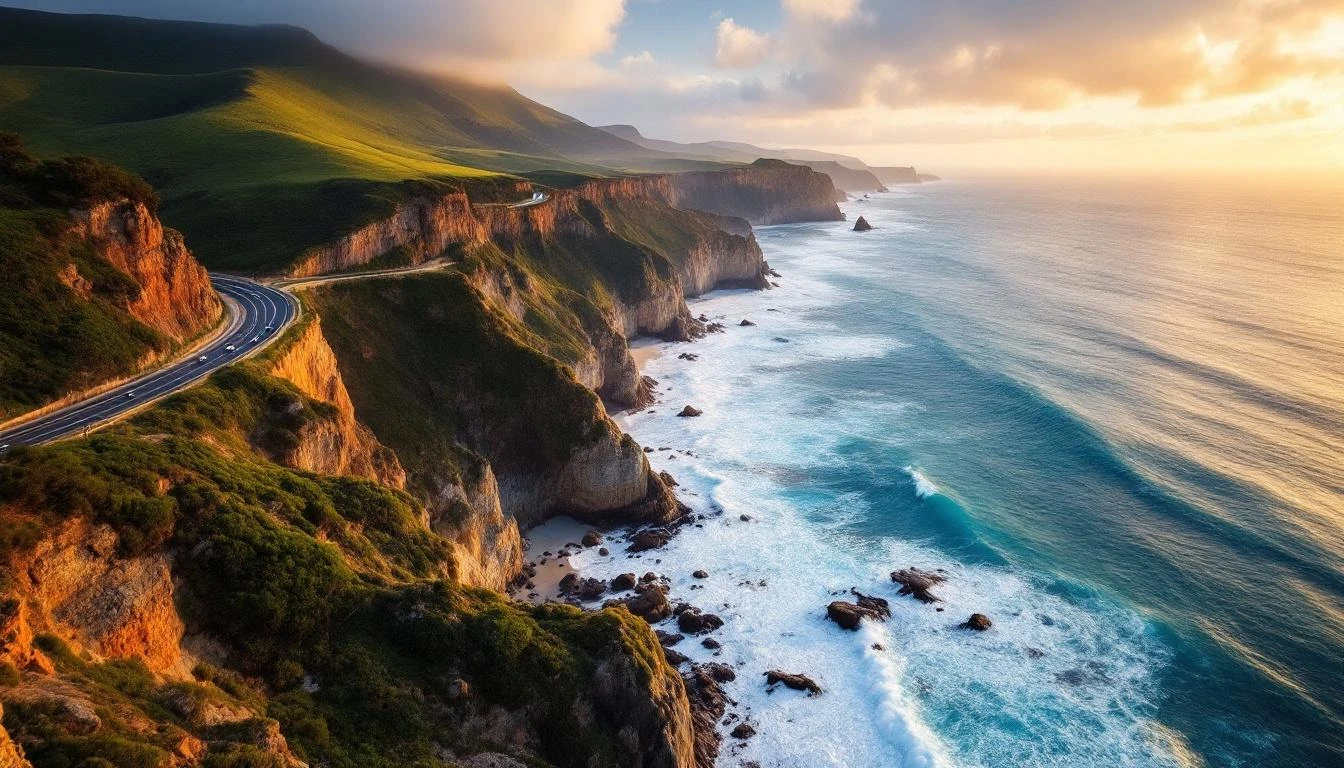
Driving the cliff-section bend of the Great Ocean Road
Drive · Road conditions

Great Ocean Road conditions

Where to check before you drive, what to expect by season, and the cliff-section hotspots that occasionally close. The road is reliable — but check the day-of.

Seasonal driving conditions

What to expect by season

Each season brings different risks. None should put you off the trip — they're just things to plan around.

Summer (Dec–Feb)

Fire & heat

Total Fire Ban days possible. Check Vic Emergency app before driving on high-risk days. Crashes more common due to congestion and tourist drivers.
Autumn (Mar–May)

Generally clear

The most reliable driving season. Mild weather, no school holidays after late April. Occasional storm cleanup days but recovery is fast.

Winter (Jun–Aug)

Storms & rockfalls

Major rain events can cause rockfalls, fallen trees and short-term closures on the cliff section between Lorne and Apollo Bay. Allow extra time. Daylight short — avoid finishing drives after 5:00 pm.

Spring (Sep–Nov)

Variable, improving

Storm risk into October; settled weather by late November. School holidays late September drive crowds up. Wildlife on roads increases (kangaroos, wallabies, echidnas) at dawn and dusk.

Section-by-section risk

The hotspots most likely to close

Most of the road is reliable in any weather. A few sections demand more attention.

Section Risk Notes
Lorne–Apollo Bay cliff section Highest Tight coastal cliffs prone to rockfall after rain. Most likely to have short closures in winter. Drive cautious; signed 80 km/h often realistically 50–60.
Lavers Hill–Apollo Bay (C155) Moderate Otway forest road; fallen trees after storms common. Often lasts a few hours only. Use Princes Highway alternative if uncertain.
Cape Otway road Moderate Narrow 12 km dead-end through dense forest. Wildlife strikes common. Slow drivers and tourists slow traffic at peak times.
Princetown–Twelve Apostles Low Open coastal landscape, modern road. Mostly unaffected by weather. Crashes here are usually tourist-related rather than condition-related.
Warrnambool–Port Fairy Low Open agricultural land, straight roads. The most reliable section even in poor weather.
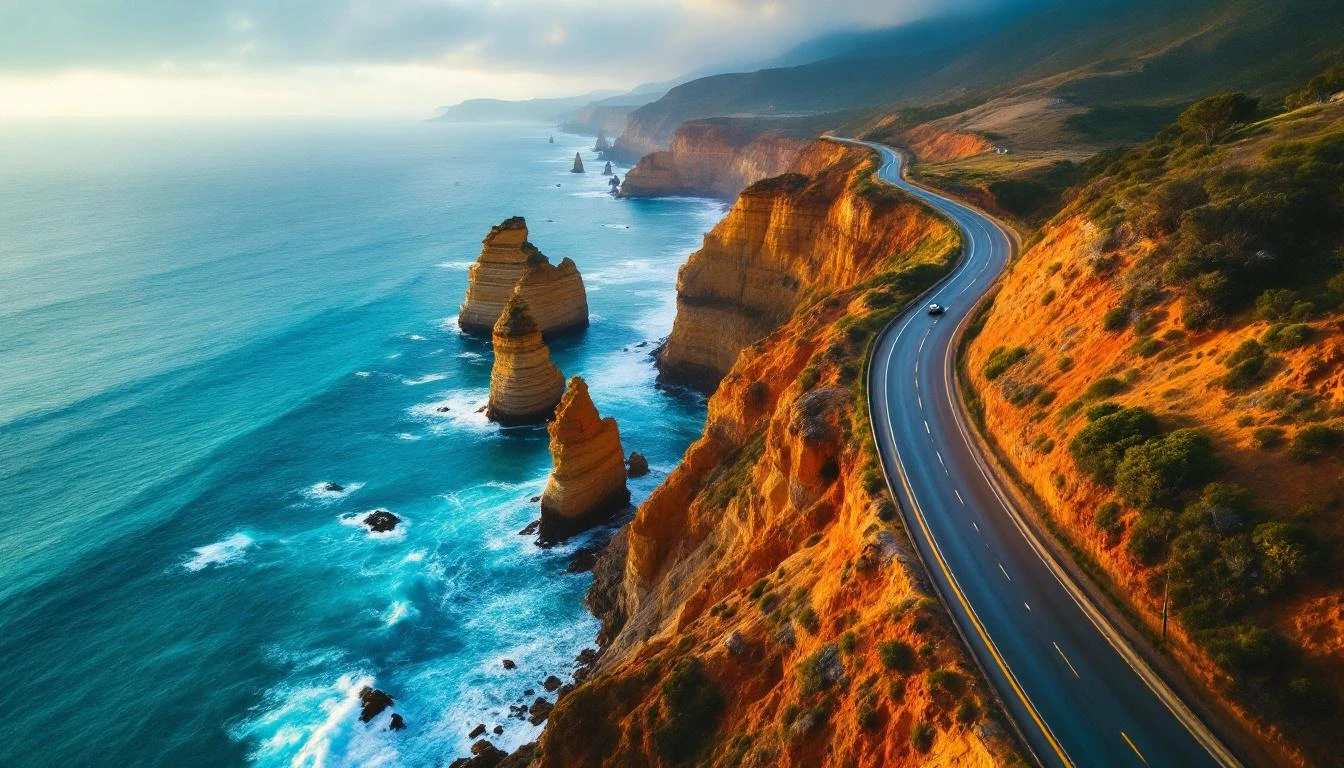
Aerial view of the Great Ocean Road coast
The coastal cliff stretch between Lorne and Apollo Bay — most beautiful and most occasionally closed. Check VicTraffic if you're driving in winter or after heavy rain.
Plan B

The Princes Highway alternative

When the cliff section is closed or weather is severe, the inland Princes Highway (M1 then A1) is your safe alternative. It parallels the coast 30–60 km inland and connects all the same towns via secondary roads — Geelong → Colac → Camperdown → Warrnambool, with branches to Apollo Bay (via Forrest), Port Campbell (via Cobden) and Port Fairy.

The Princes Highway is sealed dual carriageway for most of the way, with much higher reliability in storms. It's the route truck traffic uses. Driving Melbourne → Warrnambool inland takes about 3.5 hours versus 5 hours on the coast — useful when you need to get west fast.

Treat the inland route as the practical option for arriving and the coastal route as the scenic option for the experience. Many travellers do exactly this: inland out to a Port Campbell base, then drive the coast eastward back to Melbourne.

Time comparison

Melbourne → Warrnambool (coast)
~5 h driving
Melbourne → Warrnambool (inland)
~3.5 h driving
Melbourne → Apollo Bay (coast)
~3.5 h driving
Melbourne → Apollo Bay (inland via Forrest)
~3 h driving
Frequently asked

Driving conditions FAQs

Where do I check Great Ocean Road conditions before I drive?
Three sources: VicTraffic (traffic.vicroads.vic.gov.au) for live road status and any closures; VicEmergency app for fire warnings, storms and emergency incidents; Bureau of Meteorology (bom.gov.au) for weather. Set the VicEmergency app to alert you for the south-west region while you're travelling. The road's official Twitter/X feed (@VicRoads) also pushes incidents.
Does the Great Ocean Road close?
Occasionally, briefly. The most common cause is rockfall on the Lorne–Apollo Bay cliff section after heavy rain. Closures usually last hours rather than days, and the inland Princes Highway provides a 90-minute detour. Major closures (multi-day) are rare — last significant ones were after the 2020 storms. The road is sealed and maintained year-round.
Is the Great Ocean Road safe to drive in winter?
Yes, with care. Winter is wet and windy, with reduced visibility on cliff sections and a higher risk of fallen trees and rockfall. Daylight is short — sunset around 5:30 pm in mid-winter. Drive the cliff section earlier in the day, allow extra time, check VicTraffic before setting out, and pack layers in case you're delayed. The road is genuinely beautiful in winter storm light if you're not in a rush.
What about fire season on the Great Ocean Road?
December to March is fire season. On Total Fire Ban days, avoid driving inland Otway forest roads and through forested cliff sections — these carry the highest risk. Stay on the open coast road, check VicEmergency continuously, and have a clear pre-decided route to a safe location (Apollo Bay foreshore, Warrnambool, Geelong are all unsuitable for direct fire risk). Don't drive through bushfire-affected areas. The 'Code Red' warnings should always lead to a postponed trip.
Are there fog hazards on the Great Ocean Road?
Yes — particularly in the Otway sections (Lavers Hill, Cape Otway road) and in winter early mornings on the Surf Coast. Fog can reduce visibility to 50 metres on the cliff bends. Drive at the signed speed or slower, use low beam (high beam reflects), and take advantage of the slow-vehicle pull-offs to let traffic past. Fog usually burns off by 10 am.
What if I hit wildlife on the Great Ocean Road?
Stay calm, pull over safely, check yourself and your passengers, then call Wildlife Victoria 03 8400 7300. They send a vetted volunteer to assess and rescue. Don't try to move the animal yourself — kangaroos can injure even when stunned. If the animal has died, check for joeys (kangaroos and wallabies). Report the incident to Vic Roads if vehicle damage exceeds AU$3,000 or anyone is injured. Never approach injured snakes or bats.
Are caravans allowed on the Great Ocean Road?
Yes, but with caution on the cliff section. The Lorne–Apollo Bay stretch has tight bends and limited overtaking opportunities — long caravans frustrate following traffic. Use the slow-vehicle pull-offs whenever possible. The Princes Highway is the better choice for very long rigs. Holiday parks at Anglesea, Apollo Bay, Port Campbell, Warrnambool and Port Fairy have caravan sites; book ahead in peak season.
What should I do if a road closure affects my trip?
First, take the inland Princes Highway alternative — it parallels the coast 30–60 km inland and connects all the same towns via secondary roads. Closures rarely affect the Princes Highway. Second, if you're already past the closure, stay put and wait — most cliff-section closures clear within a few hours. Third, contact your accommodation to let them know — most are flexible about late arrivals due to road conditions.

Confident on conditions — what's next?