
Great Ocean Road wildlife
One of the few coastal regions in Australia where you can reliably see koalas, kangaroos, and southern right whales — all within an hour's drive of each other.
An accessible Australian wildlife experience
Most international visitors to Australia want to see three iconic species: koalas, kangaroos, and whales. The Great Ocean Road is one of the few places in the country where all three are reliably visible in their natural habitat, in proven spots, at predictable times of year — and where you don't need to book a wildlife park or pay an entry fee to see them.
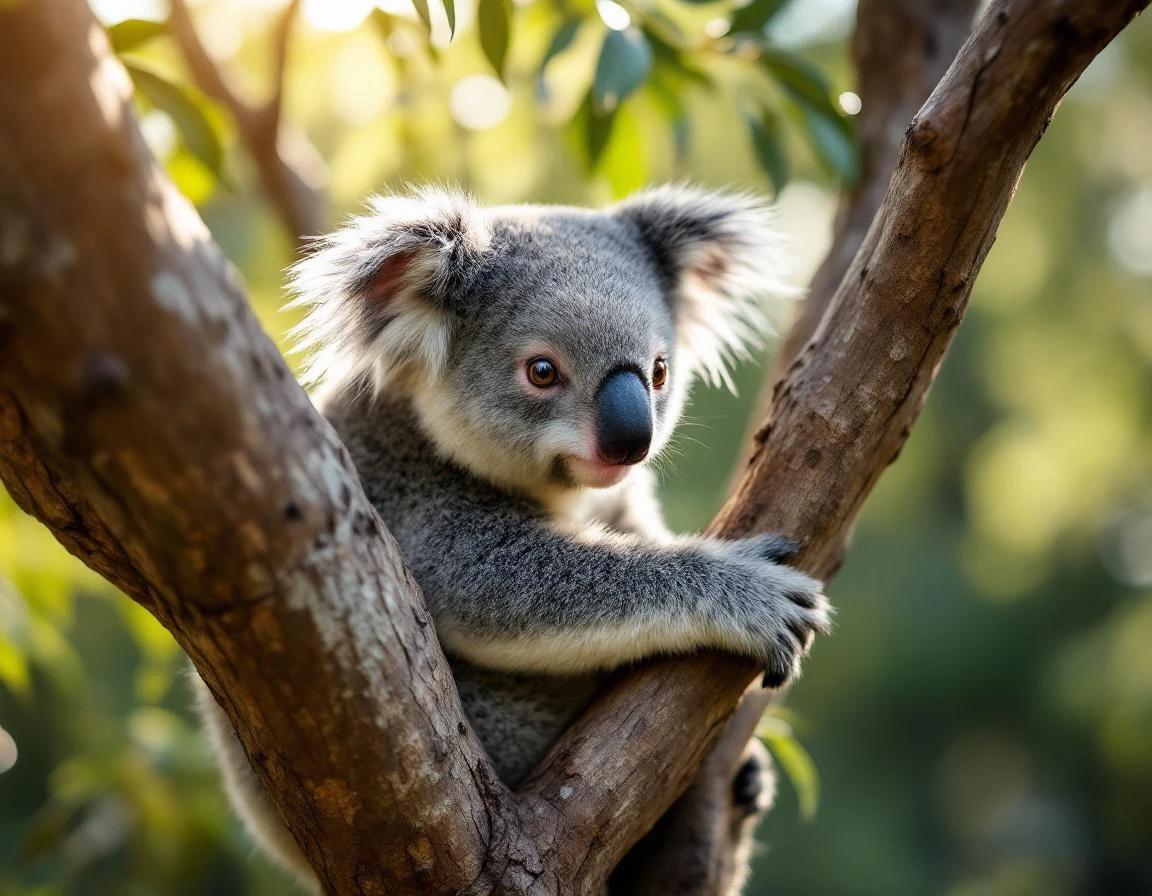
Wild koalas live in the manna gum forests at Cape Otway and along Grey River Road behind Kennett River. The reliability of these populations is unusually high: most travellers driving the road slowly during the right time of day will see at least one koala. Eastern grey kangaroos graze the fairways at Anglesea Golf Course in numbers, and the open paddocks of Tower Hill Wildlife Reserve let you walk among free-ranging mobs. Southern right whales return to the warm shallows off Logans Beach in Warrnambool every winter to calve, where the elevated cliff-top platform lets you watch mothers with newborns at close range.
Beyond the headline species, the region supports glow worms (Melba Gully), short-tailed shearwaters (Mutton Bird Island), echidnas, wallabies, occasional platypus sightings in the Otway streams, and a substantial bird population including yellow-tailed black cockatoos, crimson rosellas, and lyrebirds in the deeper forest. A dedicated wildlife-focused trip can fill a full week.
Species shortlist
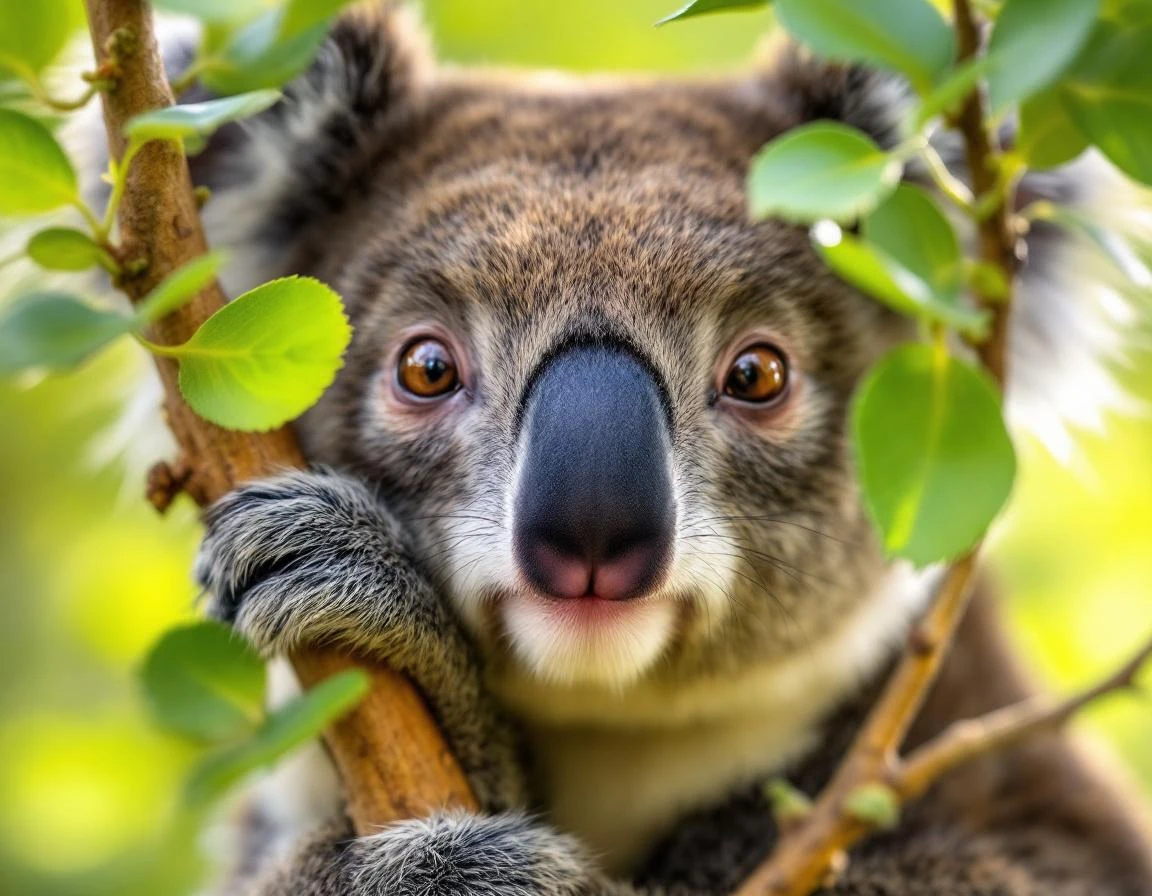
Koalas
Wild koalas at Cape Otway and Kennett River. Late afternoon is the most active time.
Read the guide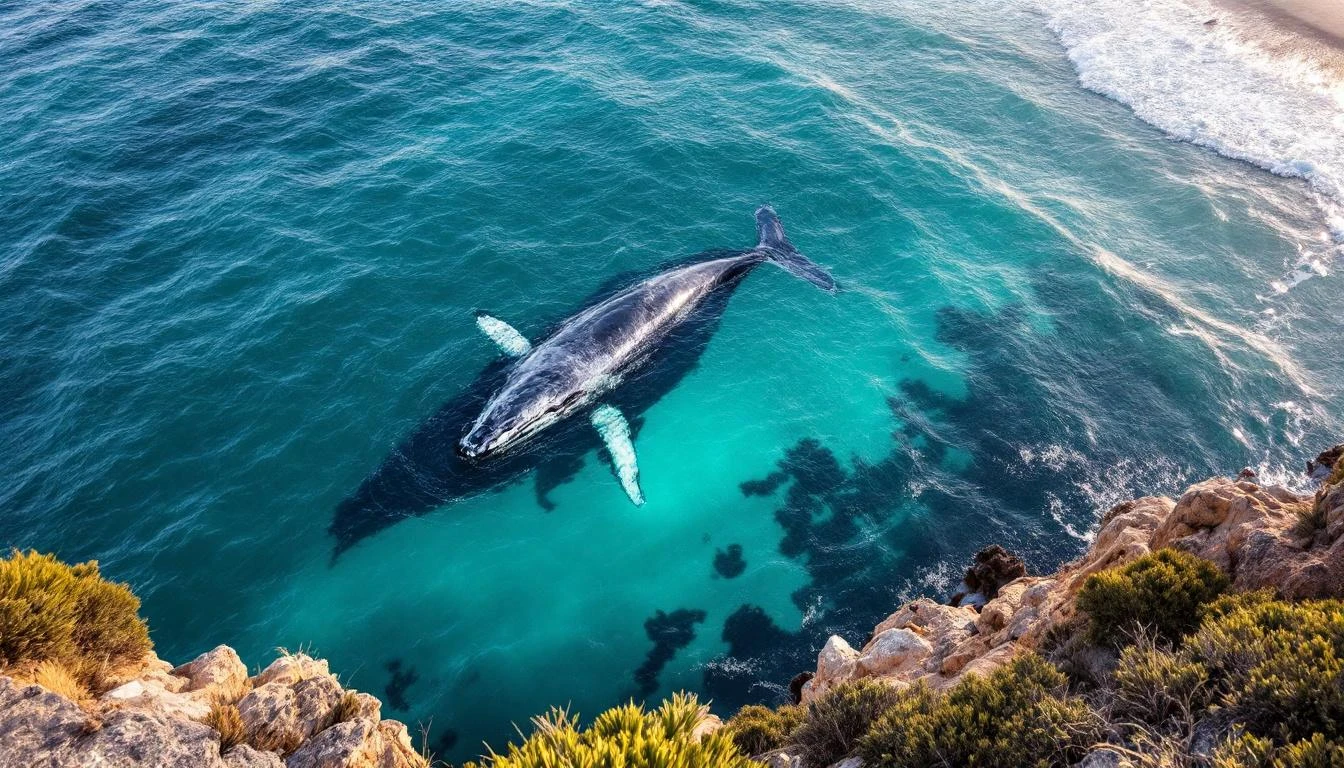
Southern right whales
Calving in the shallows at Logans Beach Warrnambool, June to early October.
Read the guide Kangaroos & wallabies
Anglesea Golf Course and Tower Hill Wildlife Reserve are the proven spots.
Read the guide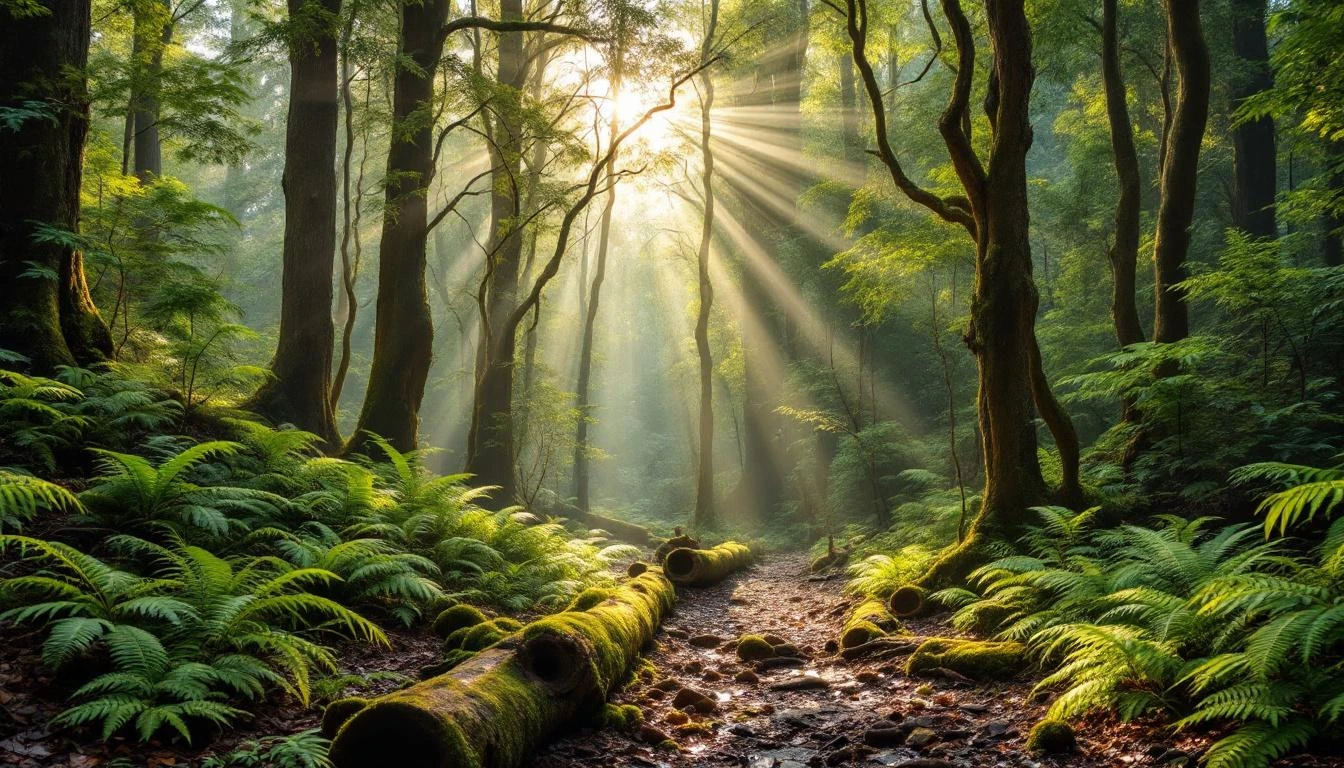
Glow worms
Melba Gully in Great Otway National Park — Australia's largest glow worm population.
Read the guideWhen to see what
- Year-round: Koalas (Cape Otway, Kennett River), kangaroos (Anglesea, Tower Hill), echidnas, wallabies.
- Late spring (Sep–Nov): Baby koalas riding on their mothers' backs — the classic photo. Wildflowers in coastal heath.
- Summer (Dec–Feb): Short-tailed shearwaters return to Mutton Bird Island at dusk. Active koalas are scarce in heat.
- Autumn (Mar–May): Whale season starts. Reliable koala viewing returns as temperatures drop.
- Winter (Jun–Aug): Peak whale season at Logans Beach. Glow worms most active in damp weather.
- Year-round nocturnal: Glow worms at Melba Gully, possums on dusk forest walks.
How to watch wildlife responsibly
A few rules apply across all the species you'll encounter on the Great Ocean Road. They're not strict laws in most cases (though some are) — they're best-practice guidelines that protect the animals and ensure you have meaningful sightings rather than disturbed flight responses.
- Don't feed wild animals. Feeding habituates them, makes them more vulnerable to vehicles and predators, and changes their natural foraging behaviour. This applies to koalas, kangaroos, and especially birds.
- Keep distance. Use a telephoto lens rather than approaching closely. A general rule: if the animal changes its behaviour because of your presence, you're too close.
- Don't use flash photography. Particularly important for nocturnal species (glow worms are extremely sensitive — use a red-light torch).
- Stay quiet. Loud voices and sudden movements scare wildlife. Keep groups small and conversational at dusk-light viewing.
- Don't touch. Even injured animals — call the local wildlife rescue rather than handling. Wildlife Victoria operates a 24/7 wildlife emergency line.
- Drive slowly at dawn and dusk through the koala forest. Vehicle strikes are the leading cause of koala mortality in this region.
- Keep dogs leashed and away from wildlife areas. Dogs (even small ones) are the second-leading cause of koala mortality.
Wildlife FAQs
- What wildlife can you see on the Great Ocean Road?
- Wild koalas (most reliably at Cape Otway and Kennett River), eastern grey kangaroos (Anglesea Golf Course and Tower Hill), southern right whales (Logans Beach Warrnambool, June–September), echidnas, wallabies, glow worms (Melba Gully), short-tailed shearwaters at Mutton Bird Island, and a strong birdwatching scene including yellow-tailed black cockatoos and lyrebirds. The Otway forest also supports platypus, though they're rarely seen.
- Where can you see koalas on the Great Ocean Road?
- Cape Otway is the most reliable spot — drive Lighthouse Road slowly through the manna gum forest. Kennett River (Grey River Road) is the second-most reliable. Late afternoon (the last 90 minutes before sunset) is the best time. The Cape Otway koala population is recovering from a population stress event some years ago; the animals can be thin. Don't approach closely or feed them. See our full koala spotting guide.
- When can you see whales on the Great Ocean Road?
- June to early October is whale season. Southern right whales calve in the warm shallows off Logans Beach in Warrnambool — one of the few places in the world where you can watch mothers and calves from a clifftop platform. Peak viewing is July to September. The Logans Beach Whale Nursery has a free public viewing platform with interpretation signs.
- Are there any wildlife tours on the Great Ocean Road?
- Yes. Local operators run koala tours from Lorne and Apollo Bay, focused on Cape Otway and Kennett River. Whale-watching boat tours operate from Warrnambool June–October. Bird-watching guided tours operate from Apollo Bay year-round. The DIY approach (drive yourself to the proven spots at the right time of day) often produces equally strong results at zero cost.
- What's the most reliable time to see Great Ocean Road wildlife?
- Late afternoon to dusk for koalas, kangaroos, echidnas, and most active mammals. Sunrise to mid-morning for birds. Whale season for whales (Jun–Oct). Glow worms only after dark, in damp weather. Most travellers underestimate how much late-afternoon timing matters; arrive at Cape Otway or Kennett River 90 minutes before sunset for the best chance of meaningful sightings.
- Can you see kangaroos on the Great Ocean Road?
- Yes — multiple proven spots. Anglesea Golf Course has wild kangaroos grazing the fairways year-round; you can view from the road or from the clubhouse without paying course fees. Tower Hill Wildlife Reserve (40 min west of Port Campbell) has roaming kangaroos and emus inside an extinct volcano crater. Most Otway forest walks include occasional kangaroo or wallaby sightings.
- Are there glow worms on the Great Ocean Road?
- Yes — Melba Gully in Great Otway National Park has Australia's largest glow worm population. Visit at night with a torch (red-light filter recommended to avoid disturbing the worms). The full circuit is a 30-minute boardwalk loop through wet rainforest. Best in damp weather (autumn and winter); summer dry spells reduce the population.
- Are there platypus on the Great Ocean Road?
- Yes, present in some Otway streams (notably the Aire River and the upper Erskine River) but rarely seen. Patient pre-dawn or dusk watching at quiet stretches of stream is your best chance. Platypus are most active at low light, sensitive to noise, and quick to dive when disturbed. For most travellers, a confirmed platypus sighting requires a dedicated multi-hour effort.