
When to visit
Month by month — weather, crowds, prices, wildlife, and the best windows for photography. Autumn wins overall, but every season has its case.
Pick autumn if you can. Pick spring if you can't.
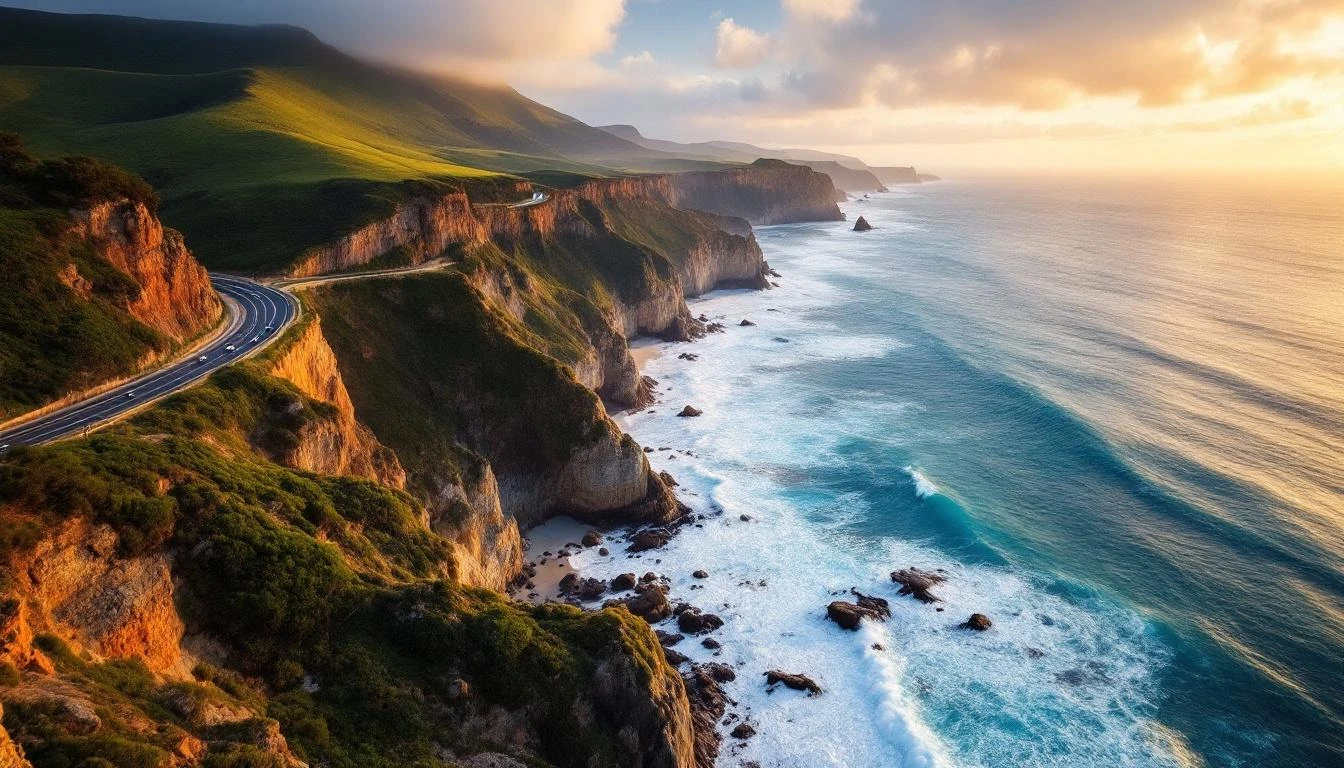
The Great Ocean Road has four distinct seasons but really two seasons that matter for travellers: shoulder season (March–May, September–November) and everything else. Shoulder-season weather is the best the region has to offer — mild, settled, with the deep low-angle light that the road's photography is built around. Crowds drop dramatically the moment Victorian school holidays end, and accommodation prices follow.
Summer (December–February) is the Australian high season. The crowds are real, prices climb, and the Twelve Apostles main car park fills before lunch on busy days. The upside is the warmest weather and the longest daylight — sunset around 8:45pm in mid-December. If you have kids who need to swim, summer is the season; otherwise, it's the season to avoid.
Winter (June–August) is the contrarian's choice. Empty viewpoints, dramatic storm light, southern right whales calving at Warrnambool, the cheapest accommodation of the year, and the strangely beautiful experience of having the road's most-photographed scenes nearly to yourself. The trade-off is short days (sunset around 5:30pm) and unpredictable weather. Pack layers.
The 12-month breakdown
January
SummerPeak crowds, peak prices, school holidays in full swing. Hot — but the coast is cooler than inland Melbourne. Book 6+ months out. Best swimming weather.
February
SummerCrowds easing after school returns mid-month. Still warm. Last chance for reliable swimming. The best summer month if you must travel in summer.
March
AutumnThe sweet spot starts. Mild days, settled weather, fewer cars, the strongest light of the year for photography. Easter weekend aside, prices ease.
April
AutumnContinues to be excellent. Easter brings a brief crowd spike; before and after Easter is the year's best window for the road.
May
AutumnDeep autumn. Whale season starts. Otway forest is at its richest. The quietest of the autumn months. Strong shoulder-season pricing.
June
WinterWhale season hits. Short days (sunset ~5:30pm). Storm light is dramatic. Winter rain. Pack layers. Cheapest accommodation of the year.
July
WinterColdest, wettest month. School holiday spike mid-month. Whales are reliably calving. For photographers and contrarians; not for first-timers.
August
WinterLast full month of whale season. Days starting to lengthen. Storm light still strong. Empty viewpoints — you may have the Apostles to yourself.
September
SpringWildflowers in the heath, baby koalas, end of whale season, lengthening days. Variable weather but the green is unbeatable. Year's second-best window opens.
October
SpringPeak spring beauty. Long daylight (sunset ~7pm). Otway waterfalls running strong. Reliably mild. School holiday spike late month, otherwise quiet.
November
SpringLast great month before summer crowds arrive. Warm days, swimming starting to be comfortable. Crowds picking up the closer you get to December.
December
SummerCrowds and prices ramp through the month. Christmas–New Year is the year's busiest fortnight. Heat shows up. Book months ahead, expect queues.
When to see what
- Southern right whales — late May to early October at Logans Beach (Warrnambool). Peak: July to September.
- Baby koalas — visible riding on their mothers from August to November.
- Short-tailed shearwaters (mutton birds) — September to April at Mutton Bird Island and Loch Ard Gorge. Dusk return is spectacular.
- Eastern grey kangaroos — year-round at Anglesea Golf Course and Tower Hill. Most active dawn and dusk.
- Wildflowers — September to November in the coastal heath.
- Otway glow worms — year-round but best in damp weather (autumn and winter).
- Surfing at Bells Beach — autumn (March to May) for prime swell + Rip Curl Pro contest at Easter.
When to visit FAQs
- What is the best time of year to visit the Great Ocean Road?
- Autumn (March to May) is the best overall — settled mild weather, fewer crowds than summer, deep blue afternoon light for photography, water still warm enough for swimming, and accommodation availability is reasonable. Spring (September to November) is a strong second, with wildflowers, baby koalas, and the tail end of whale season.
- Is the Great Ocean Road good in winter?
- Yes, with caveats. Winter (June to August) is dramatic — empty viewpoints, storm light, the southern right whales calving at Logans Beach in Warrnambool. The downsides are short daylight (sunset around 5:30pm), changeable weather, and possible road closures after storms. Pack layers and waterproofs. Winter is the photographer's contrarian pick.
- When is whale watching season on the Great Ocean Road?
- Late May to early October. Southern right whales migrate from Antarctic waters to calve in the warm shallows off Logans Beach in Warrnambool — one of the few places in the world where you can watch mothers and calves from a clifftop platform. Peak viewing is July to September.
- When is the best time to see koalas on the Great Ocean Road?
- Year-round at Cape Otway and Kennett River. The best time of day is the last 90 minutes before sunset, when koalas become more active. Spring (September to November) brings baby koalas riding on their mothers' backs, which is the classic photo. Hot summer days are the worst — koalas tuck high into trees and barely move.
- How busy is the Great Ocean Road in summer?
- Very busy. December to February is school holidays plus Christmas plus warm weather, and the road is at capacity. The Twelve Apostles main car park can be full by 11am on busy days. Accommodation books out months ahead. Restaurant queues are long. Do summer if you can swim or you have to, but otherwise pick the shoulder seasons.
- What's the weather like on the Great Ocean Road in summer?
- Mild to warm, rarely hot. Average summer highs are 22–26°C, with occasional heat-spike days reaching 35°C. The coast is reliably 5–10°C cooler than inland Melbourne. Water temperatures sit at 17–19°C — bearable for swimming but not warm. Strong UV; sunscreen even on cloudy days.
- Is the Great Ocean Road open year-round?
- Yes. The road is sealed and maintained year-round. Occasional sections close after storms or fires (especially in summer fire season) but full closures are rare and usually short. Check VicRoads or VicEmergency before you drive in winter or fire season.
- Should I avoid school holidays on the Great Ocean Road?
- Yes if you can. Victorian school holidays — late June, late September, mid-late December through January, and the two-week Easter break — see the road's busiest moments. Accommodation pricing roughly doubles, restaurants need bookings, and the Twelve Apostles car park fills early. Travel either side of school holiday weeks for the best balance of weather and quiet.