
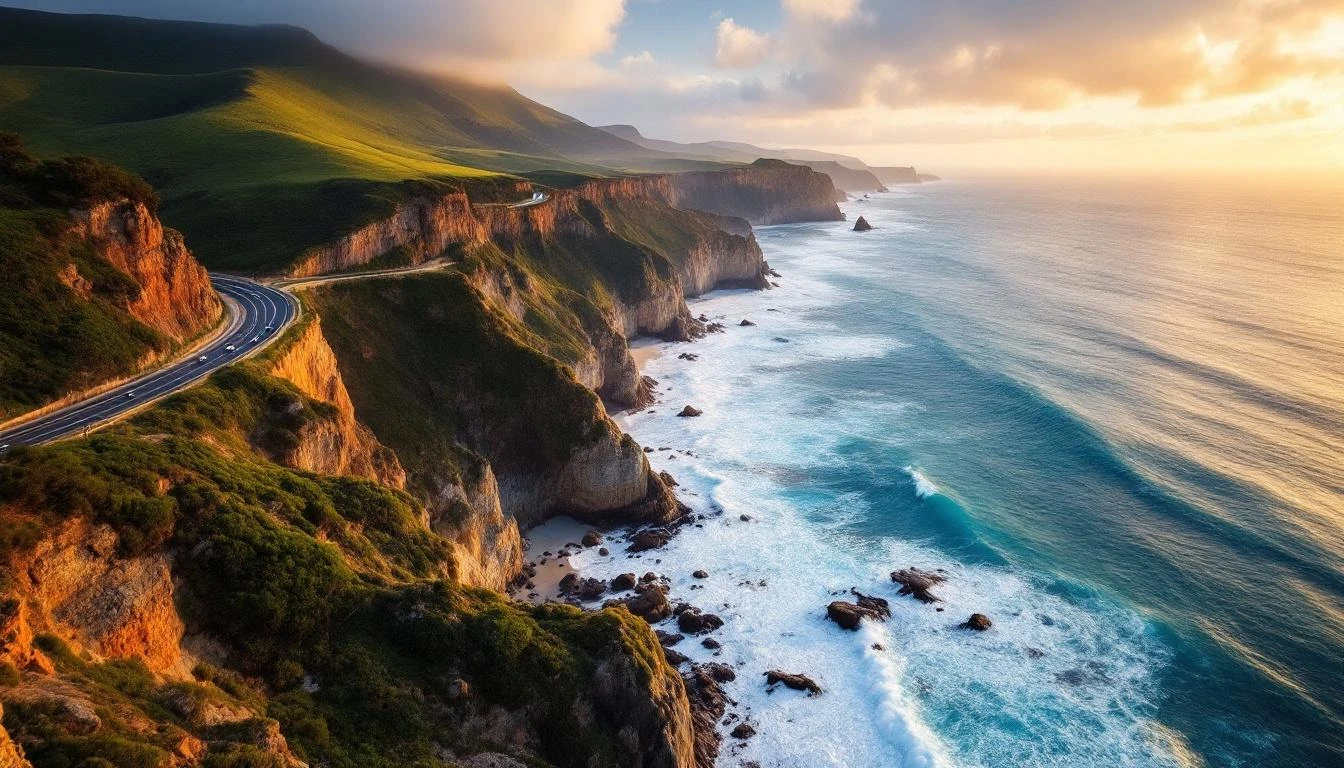
Plan your Great Ocean Road trip
Eight planning angles in one place — duration, season, direction, family, dog-friendly, EV, conditions, and the interactive map. Pick your starting question.
Pick your question, follow the thread
Every Great Ocean Road plan starts with one of these decisions. Pick the question that matches your situation and follow it through to the practical answers.
How many days?
1-day blitz vs 3-day classic vs 7-day deep dive — what each duration actually delivers, and which travellers should pick which.
OpenWhen to visit
Month-by-month breakdown of weather, crowds, prices, wildlife and the best window for photography.
OpenFrom Melbourne
How to get there, departure timing, day-trip vs overnight, public transport options, V/Line trains and tour pickups.
OpenDog-friendly trip
Where dogs are welcome, where they're not (national parks), dog beaches, pet-friendly accommodation, and trip-planning tips.
OpenDriving guide
Best direction, road conditions, mobile black spots, caravan tips and the case for the Princes Highway alternative.
OpenRoad conditions
Live conditions, seasonal closures, fire-season checks, fog and storm advice, and where to look before you drive.
OpenWildlife planning
Where to see koalas, whales, kangaroos, echidnas and platypus — and the best months and times of day for each.
OpenInteractive map
Every major stop plotted at real coordinates with popups linking to the full guide for each one.
OpenTrip planning FAQs
- How far in advance should I plan a Great Ocean Road trip?
- For peak season (December–February, Easter, school holidays), book 6+ months ahead — accommodation in Apollo Bay, Lorne and Port Campbell sells out completely. Shoulder season (March–May, September–November) needs 6–10 weeks of lead time. Off-peak (June–August) can be planned 2–4 weeks out, but rules change for Saturday nights when locals book away weekends.
- What's the ideal length for a Great Ocean Road trip?
- Three days is the sweet spot for first-time visitors: Day 1 Melbourne to Lorne, Day 2 Lorne to Port Campbell via the Otways, Day 3 Twelve Apostles + return to Melbourne. One day is doable but exhausting and rushed; seven days is the deep-dive option that includes the Great Ocean Walk, wildlife, and the lesser-known Shipwreck Coast endings beyond Port Campbell.
- What's the cheapest way to do the Great Ocean Road?
- Self-drive in shoulder or off-peak season with one mid-range accommodation in Apollo Bay (~AU$180/night) plus self-catering for breakfasts and a couple of pub-meal dinners. Total per couple over three days: around AU$600 including fuel, food and accommodation. Bus tours cost AU$170–250 per person but lock you into the operator's schedule.
- Do I need to book accommodation in advance?
- Yes for peak and shoulder season. Apollo Bay, Lorne and Port Campbell are the three main overnight bases — they all sell out 6+ months ahead for summer and Easter. For walk-up flexibility, base in Warrnambool (more capacity, often last-minute availability) or Geelong (cheaper, more options, but adds 1.5 hours daily to your driving).
- Should I drive or take a tour?
- Drive if you're confident on winding coastal roads, want flexibility for sunrise/sunset stops, or are travelling with kids who need bathroom and snack breaks. Take a tour if you're solo, want to drink at lunch, are not used to driving on the left, or specifically want photography stops you can't easily find yourself. Both work — the road has good infrastructure for both.
- Is the Great Ocean Road good for families?
- Yes. The 3-day classic itinerary suits families well: short driving days, frequent attraction stops, walk-friendly viewpoints, and the wildlife encounters (koalas at Cape Otway, kangaroos at Anglesea Golf Club) are reliable hits with kids. The Twelve Apostles, Otway Fly treetop walk and Aireys Inlet's Split Point Lighthouse all deliver for families. Avoid the Great Ocean Walk and very long Otway loops with younger children.
Already know how long you've got?
Jump straight to the itinerary that matches your trip length.